Hass Avocado
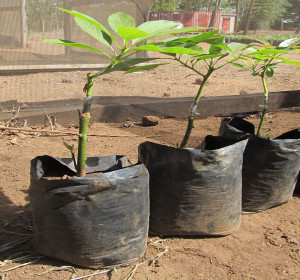
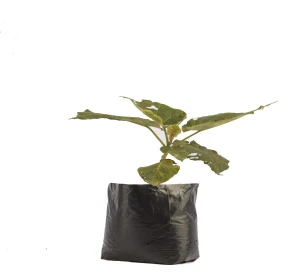
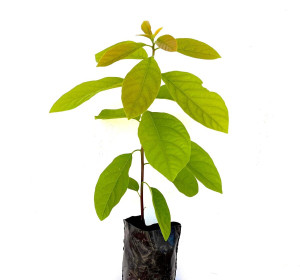
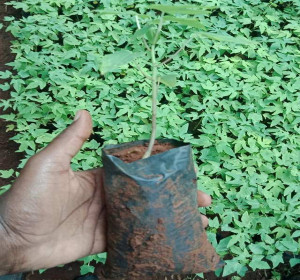
Hass Avocado Seedlings
Hass Avocado
Are you an Avocado farmer looking for a Hass avocado farming guide to increase yields in Kenya? Is your Hass avocado farm infested with pests and diseases? If yes, this guide will help you create a profitable farming venture. The guide will also help you identify pests, diseases, and the best fertilizer to increase yields by at least 30%.
History of Avocado Farming in Kenya
Avocados are evergreen trees that thrive best in subtropical and tropical regions. The fruit is also one of the most cultivated species in the world and is native to Mexico and South America. The fruit was introduced to other parts of the world in the 18th -19th century. The scientific name of Avocados is Persea Americana L.
Avocados were introduced in the country by the Portuguese during the 18th century. By 1939, improved varieties such as the Lula, Nabal, Puebla, and Linda had already been introduced.
Hass Avocado Plantation

In Kenya, avocados are grown for the local market, but varieties such as the Hass are produced for export. The fruit contains minerals such as vitamins A, B1, B2, C, and D. The first commercial Avocado orchard was set up in 1923 by the Anderson family in present-day Kitale. Currently, the family grows the fruit on a 200-acre land around Mt Elgon.
Members of the family are also members of the Avocado Society of Kenya. The society’s work is to promote Avocado growth in the country and make it profitable for its members. Kenya has exported more than 20,000 tonnes of fruits since 2003.